Out of Stock in the Village, Overstocked in the City
When Ramesh returns to the silent lanes of Garkot, he doesn’t just come back to his home, he encounters a village that has quietly transformed. Closed schools, dried-up springs, and locked houses stand alongside the few remaining signs of life. Caught between the overcrowded chaos of cities and the emptiness of villages, this story explores the relationships, memories, and questions we often leave behind. Through the voices of grandparents, the scent of the soil, and fading lights on the hills, one question lingers, has everything truly ended, or is something still holding on? The conflict within Ramesh is not his alone, but echoes the lives of millions who have left their villages, even as their villages never quite let go of them. Can one person’s return make a difference? People may leave their villages in search of dreams or a better life, but do they ever truly return?
Storyteller : Sachin Garkoti
Himal Prakriti Storytelling Fellow
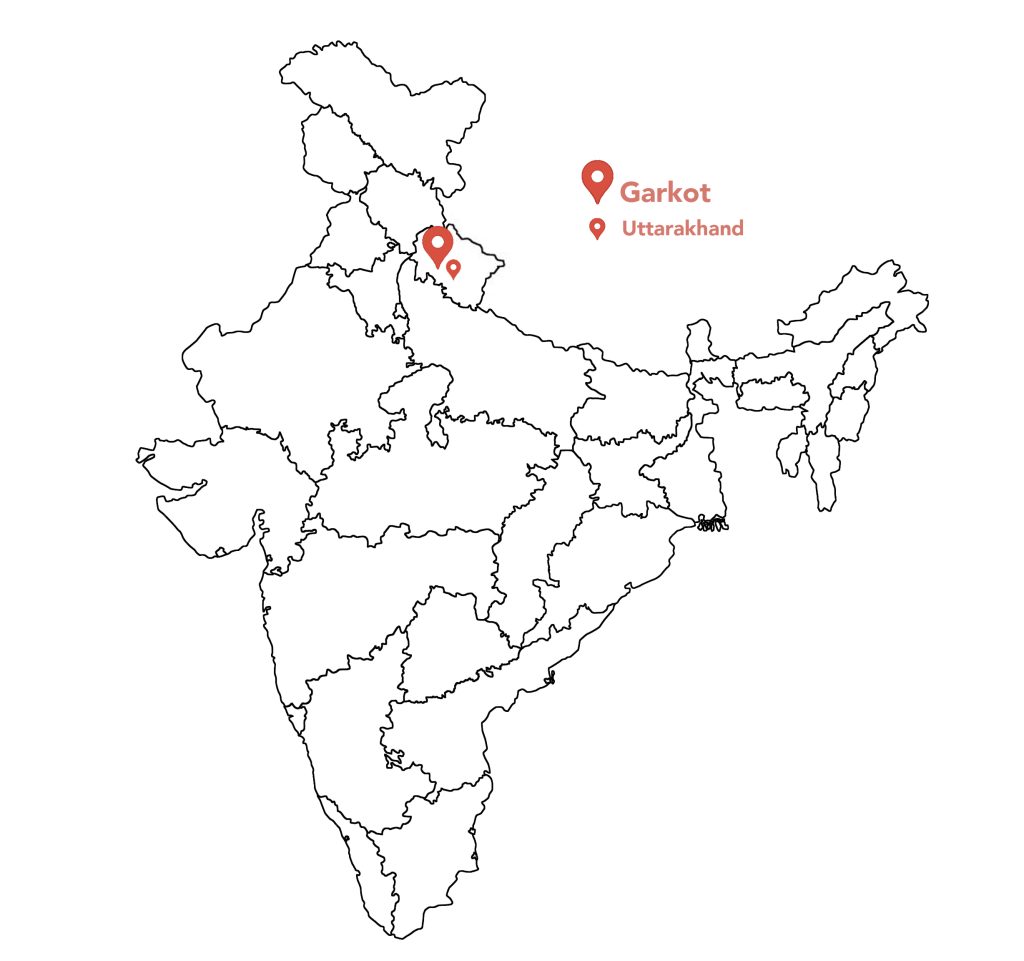
Village Garkot, District Champawat,
Uttarakhand
Read this story in Hindi
Rekha sat at the back of the bus, a worn cloth bag resting in her lap, and inside it, a crumpled envelope. She had read the letter three times… four times… five times. The words had etched themselves into her memory, yet her fingers kept unfolding it again and again, like touching an old wound, knowing fully well it would hurt.
______________________________________________________________________________
Ma,
I am fine. I’ve found work in a factory. From six in the morning till eight at night. The pay is a little low, but there’s a place to stay. It’s one room, shared with three others. All of them are from villages around ours.
Ma, it’s very noisy here. There’s noise even at night. I couldn’t sleep at first. But people say you get used to it. You are eating properly, right? Don’t stop Bubu’s (grandfather) medicines. I’ll send money next week.
Yours,
Suresh
______________________________________________________________________________
Rekha folded the envelope shut.
The bus was moving away from Garkot. She was on her way to Haldwani, to Suresh. Bubu’s medicines had run out, and they weren’t available there. She was going just for a week. Or perhaps longer. She didn’t know that herself.
***
As the bus came to a halt, Ramesh felt his breath stop too.
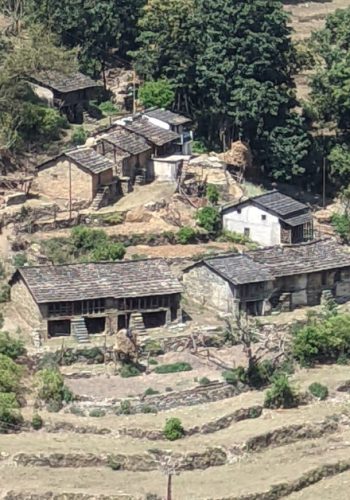
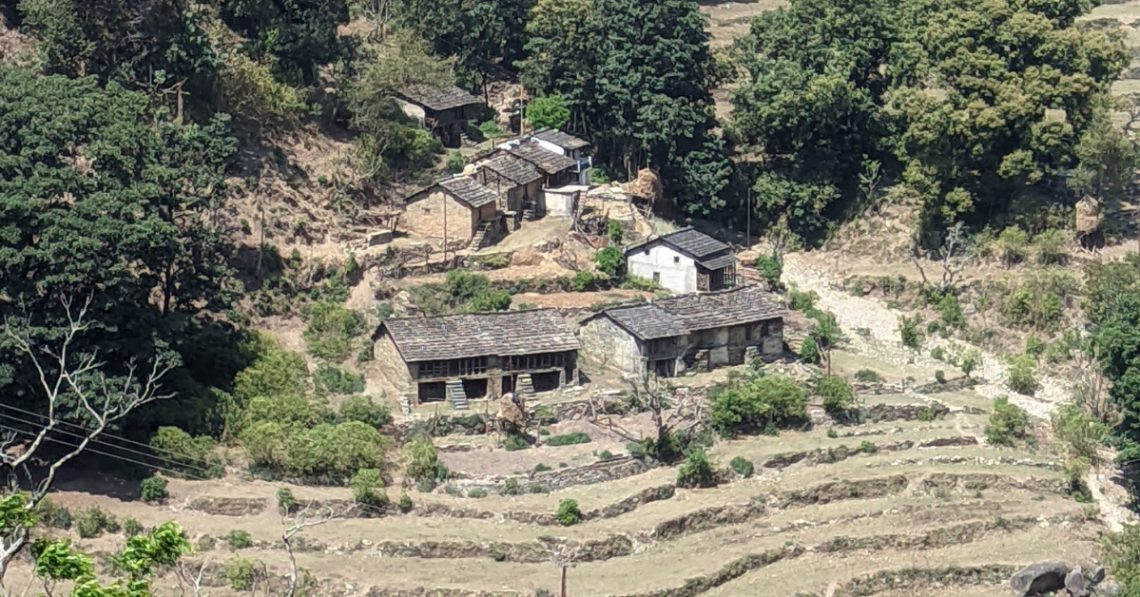
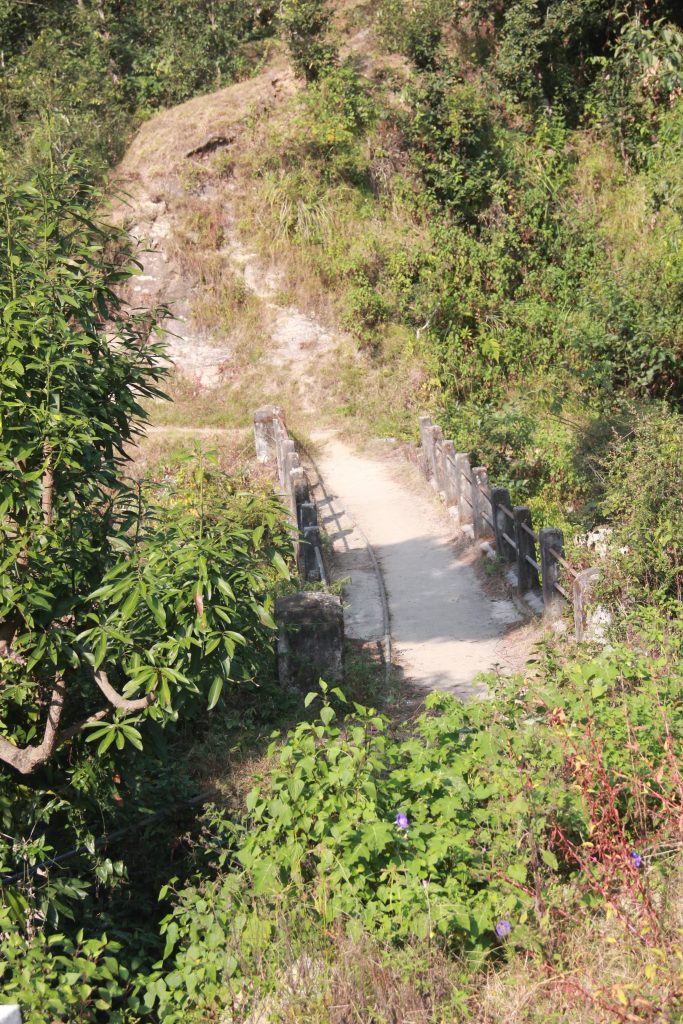
Outside, the mountains were the same. The same rhododendron trees. The same distant sound of the Gothya Gad stream, calling out like an old friend. But in his village, Garkot (situated at an altitude of 1,572 meters in Champawat district of Uttarakhand), something had changed. He didn’t know what. He could just feel it.
Seven years. Ramesh had spent seven years in Delhi, in a small room with four other people, where water dripped from the ceiling at night and the noise of buses broke his sleep in the morning. But there was money. That’s why he stayed.
Today, his mother had called.
“Grandfather has a fever. Come home.”
That was all. His mother never said much.
Ramesh picked up his bag and set off.
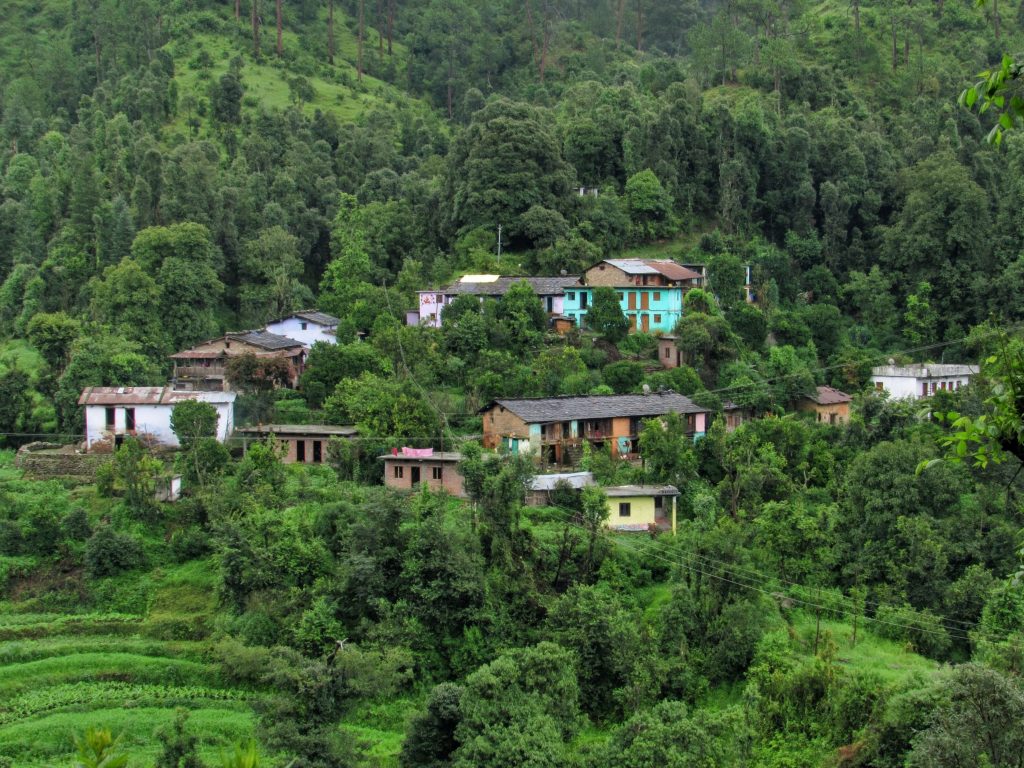
When he placed his first step on the village path, it felt as though the soil beneath his feet spoke to him. This was the same earth where he had once raced toy cars made from iron rods. The same soil that might still hold the marks of his knees, remnants of some childhood mischief.
But now, the path was empty… no children, no voices. Just the wind, and within it, a strange, lingering silence.
Ramesh walked on. To his right stood Ram Lal uncle’s house. The door was locked. Moss had crept along the walls. Through the window, an old calendar peeked out… from 2019.
The lock hadn’t been opened for five years. On the left stood Suresh’s house, his childhood friend who had moved to Haldwani to open a grocery shop. The roof of his house had half-collapsed. Grass had begun to grow inside. Ramesh paused. He took a deep breath and then walked on, before his eyes could well up.
When he reached home, his mother was sitting in the courtyard. She saw him but said nothing. She simply got up and went inside. That’s how she was, she held her emotions in her eyes, not in words.
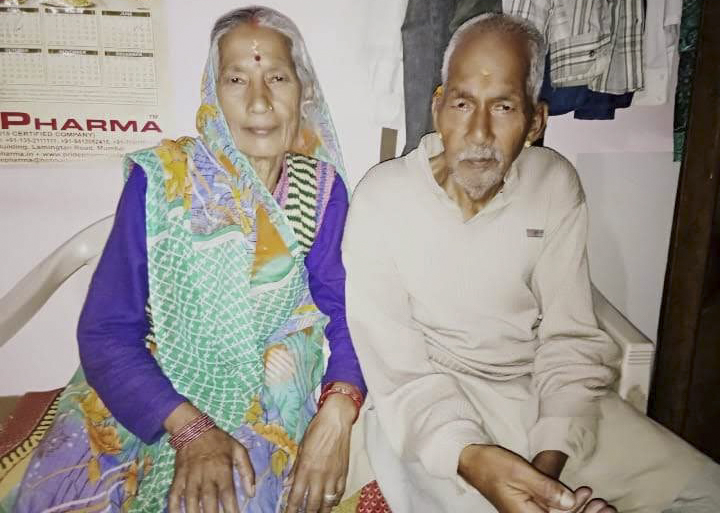
Grandfather was lying on a cot in the courtyard. Eighty years old, yet his eyes were still sharp, still gleaming, like the water of a mountain spring.
“You’ve come,” Grandfather said as soon as he saw him. No questions, no complaints. Ramesh sat down beside him.
“Since when have you had a fever?”
“For three days.” Grandfather waved his hand as if the fever was nothing serious. “The hospital is twelve kilometers away. We’ll have to go to Champawat tomorrow. Today, you came, that was my medicine.”
Ramesh let out a small laugh. His eyes filled up too.
That night, while his mother was cooking, Ramesh sat beside his grandfather. It was cold outside. Inside, a small lantern flickered. There was no electricity that night.
“Dada ji,” Ramesh said, “why is the village so quiet?”
Grandfather looked up at the ceiling.
“It’s not quiet, son. The sounds have just changed.”
“What do you mean?”
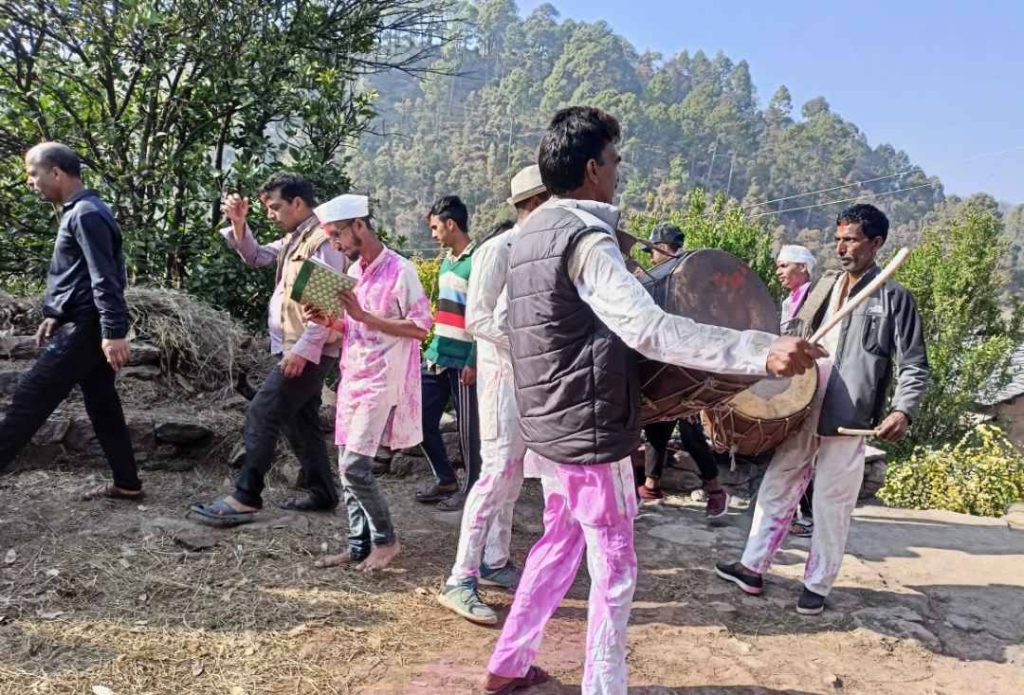
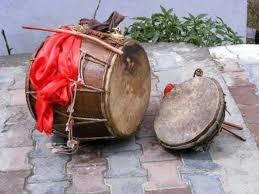
“Earlier, there were children’s laughter echoing around. Now, it’s just the whisper of the wind. Earlier, there were the beats of the dhol and damau, now it’s only the sound of the river flowing. The sounds are still there, only for those who know how to listen.”
Ramesh remained silent.
“How many years has it been since you came?” Grandfather asked.
“Two years.”
“Two years.” Grandfather repeated, as if weighing the number. “In these two years, three more houses here have been locked. Deenanath’s daughter-in-law left for Pithoragarh with her child. Mohan’s son got a job in Dehradun. And last Holi… for the first time, we gathered in just four homes. Earlier, the whole village would fill the courtyard.”
Silence filled the room. Outside, the wind was blowing. Somewhere in the distance, an owl called.
“And you?” Ramesh asked softly. “Why did you stay here? Why did you never leave?”
Grandfather smiled.
“Because the soil that gave me my name, how could I ever leave it?”
The next morning, Ramesh went to Tauji’s house.
Sixty-five years old, Tauji still went to the fields every day, still raised cattle, and still remained in the village.
Tauji saw Ramesh and, without saying a word, handed him a cup of tea.
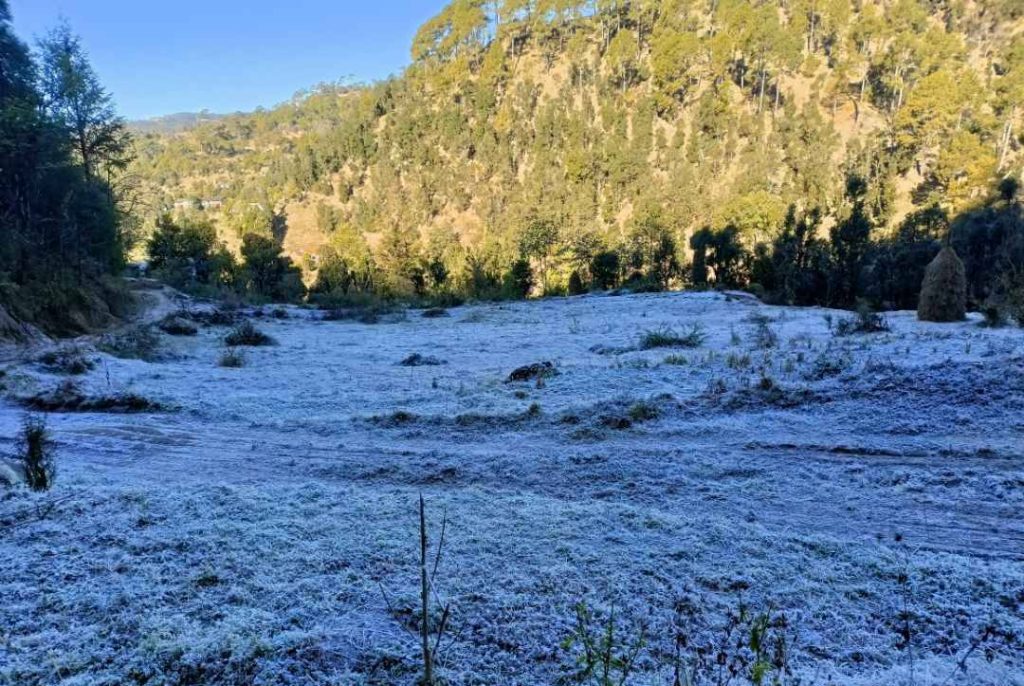
They both sat in the courtyard. In front of them, the mountains. Below, the valley. In the distance, the glimmer of the river.
“Tauji, how is the harvest this year?”
Tauji let out a long sigh.
“Harvest?” he said. “Son, last month a bear came at night. Destroyed the entire potato field. Before that, monkeys ate the maize. Now all that’s left is a little bit of vegetables, for the house.”
“To sell?”
“Nothing to sell.” Tauji took a sip of tea. “And even if we did, who would we sell it to? The market is twenty kilometers away. By the time we cover the transport cost, nothing is left as profit.”
Tauji’s words settled deep into Ramesh’s mind.
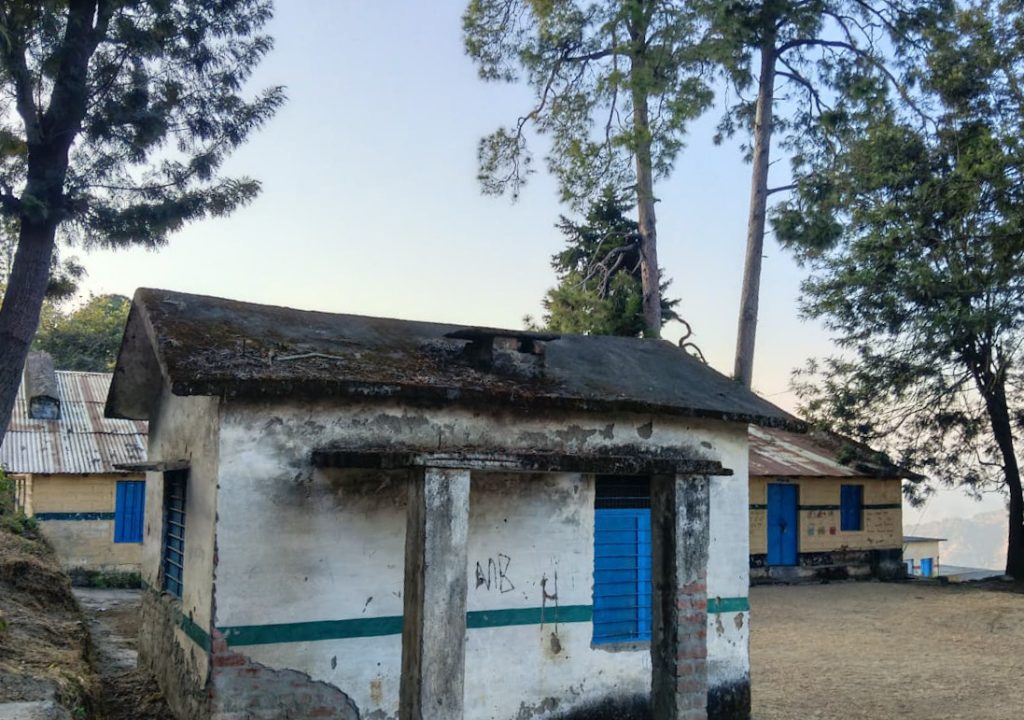
His gaze drifted and stopped at the old school building.
A rusted lock hung on the door. No sound came from inside, no children’s laughter, no teacher’s scolding, no scratch of chalk on the board. Just a heavy, exhausted silence.
In his childhood, twenty to twenty-five children used to study there. Ramesh was one of them.
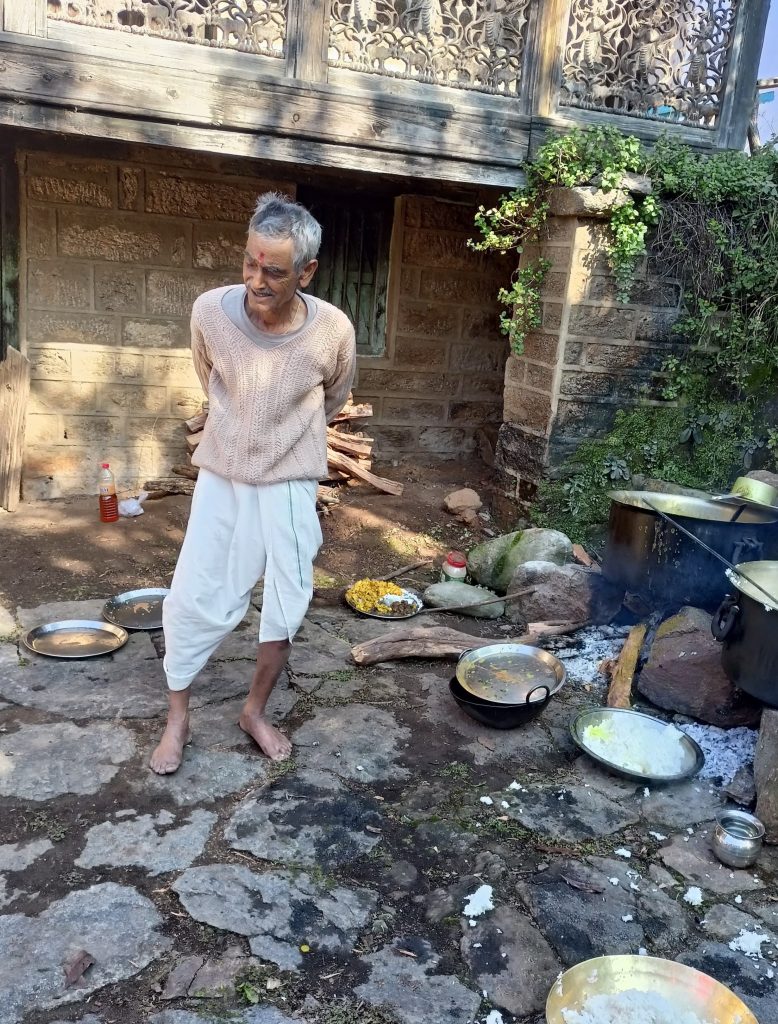
Kaka (the old caretaker) had once told him, “Earlier, a lady teacher had come. She taught well too. Then she got transferred. The number of children dropped to one, two… and then none.” And when there are no children, who is the school for?
Ramesh remembered, Education Minister Dhan Singh Rawat had stated in the State Assembly that 826 government primary schools in Uttarakhand had already been shut down. The reason was the same, migration from villages, and zero enrollment. And this was just the beginning; nearly 3,600 more schools stood on the brink of closure.
This school was one of those 826.
He looked at the lock once more.
If the government can set up an entire polling booth for a single voter, can it not run a school for even one child? Perhaps the question wasn’t wrong. There was just no one to answer it.
“That’s why people left. And that’s why they will keep leaving,” Tauji’s voice broke through Ramesh’s thoughts.
“Then why did you stay?”
Tauji looked at him. There was something in his eyes—fatigue, and something beyond it.
“Because if we leave too…” he paused. Tauji looked out the window—at the fields, the forest, and that old boundary wall, bent but not fallen. Then he said, “If we also leave, who will light the Holika? Who will place the lamp in the temple? Who will protect the forest, who will distribute the canal water, who will know the right time for the crops?”
Ramesh remained silent.
Tauji took a deep breath and said softly, “Son, a village survives because of its people. And people stay only when they feel there is meaning in staying.”
That evening, Ramesh sat beside his grandmother.
She was knitting slowly, from an old ball of wool. Her hands were wrinkled, yet they held a strength that always amazed Ramesh.
“Dadi, what was the village like earlier?”
She paused. She placed the wool down.
And then she spoke, in Kumaoni, in her own language, as if her pain could only truly exist within it:
“Ju kheti chhi oo hamu han hamri reedhe haddi chhi… aab ta ke shaharon na rego.”
Ramesh listened to every word.
Farming, which was once their backbone, was no longer a support. Crop prices fell. Making ends meet became difficult. And then, one by one, the children left, some to Delhi, some to Dehradun, some to Pithoragarh, some to Tanakpur.
“Dhol-damau baajchhay, gun ka aadmi ek doosra samaanele kaam chala laagchhay, aab ta un le na re gaye…”
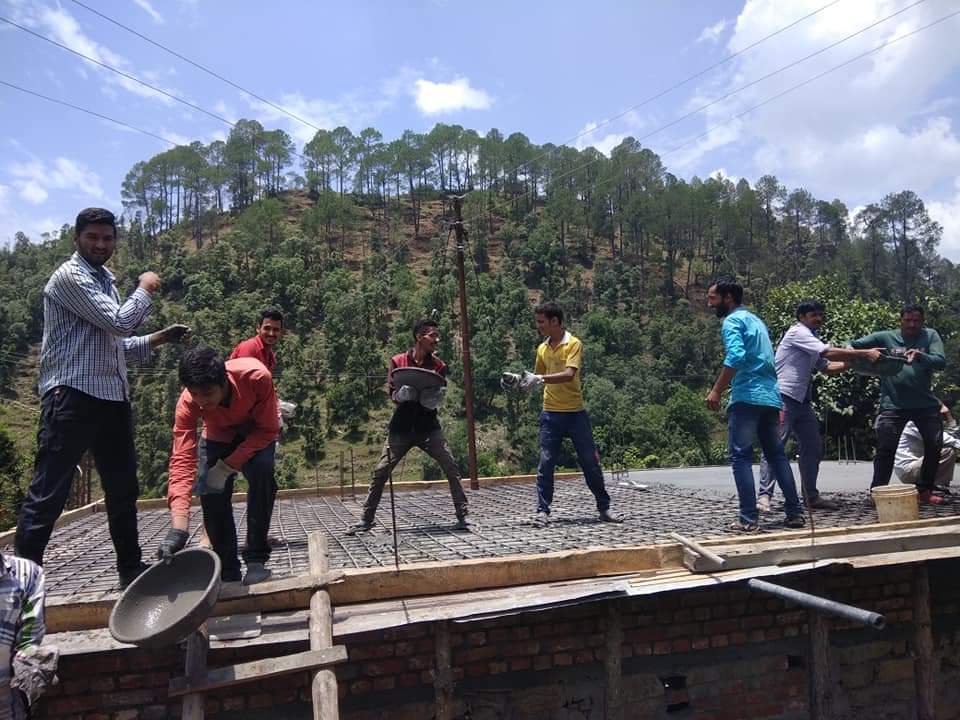
The drums once echoed, night-long rituals were held, but life wasn’t limited to the temple. During aalto-paalto, half the village would gather to work in each other’s fields. At weddings, people came uninvited and shared the work. Now those people were gone, and with them, all of it had disappeared.
“Aab yo kab bathe ta pat laagchh ki oo lage nis go…”
When the village looks this empty, it feels as though all of that was just a dream.
Ramesh held his grandmother’s hand.
She did not pull it away.
Both sat in silence. Outside, darkness was settling in. On the mountains, only two bulbs were glowing.
Two.
Ramesh remembered how, in his childhood, these same hills used to sparkle with so many lights.
Photo: Himanshu Ijarwal
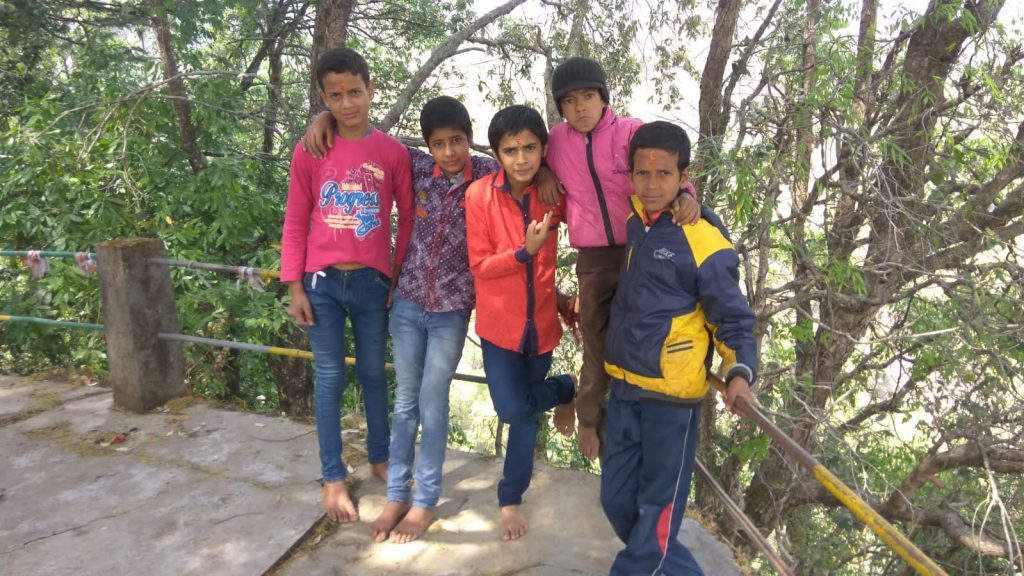
On the third night, Ramesh couldn’t sleep. He kept thinking about those days, when we children had a world of our own.
We built houses out of mud, raced wheels made from iron rods, crafted toy cars from electric wires. The school was five kilometers away. There was a river along the way, we would jump across it, return home in wet clothes, and get scolded for it.
In the evenings, we would light a fire by the riverside, warm our hands, and listen to stories. There were no mobile phones, no internet, just each other’s company, and that was enough.
He went up to the roof. It was cold… the kind of mountain cold that seeps into your bones. The sky was filled with stars, so many that you never see in the city.
He looked down.
On the slope of the mountain, two bulbs.
Just two.
He remembered what his grandfather had said, “In two years, three more houses have been locked.”
He remembered Tauji’s words, “If we also leave, what will remain?”
He remembered his grandmother’s trembling voice.
And then he remembered the news he had read a few days ago. Out of 16,919 villages in Uttarakhand, 734 had become completely deserted. 383,000 people had left the mountains.
In every village, there must have been a grandfather. In every village, a grandmother’s trembling voice. In every village, on some rooftop, there must have been a Ramesh, sitting and watching the lights go out, one by one.
Ramesh clenched his fist.
In the morning, Grandfather was sitting up. The fever had subsided. Ramesh went to him.
“Dada ji, I wanted to ask you something.”
“Ask.”
“If… if I come back. Stay here. Do something—teach the children, try something new in farming, take the village’s voice outside… would it make any difference?”
Grandfather looked at him. He kept looking for a long time.
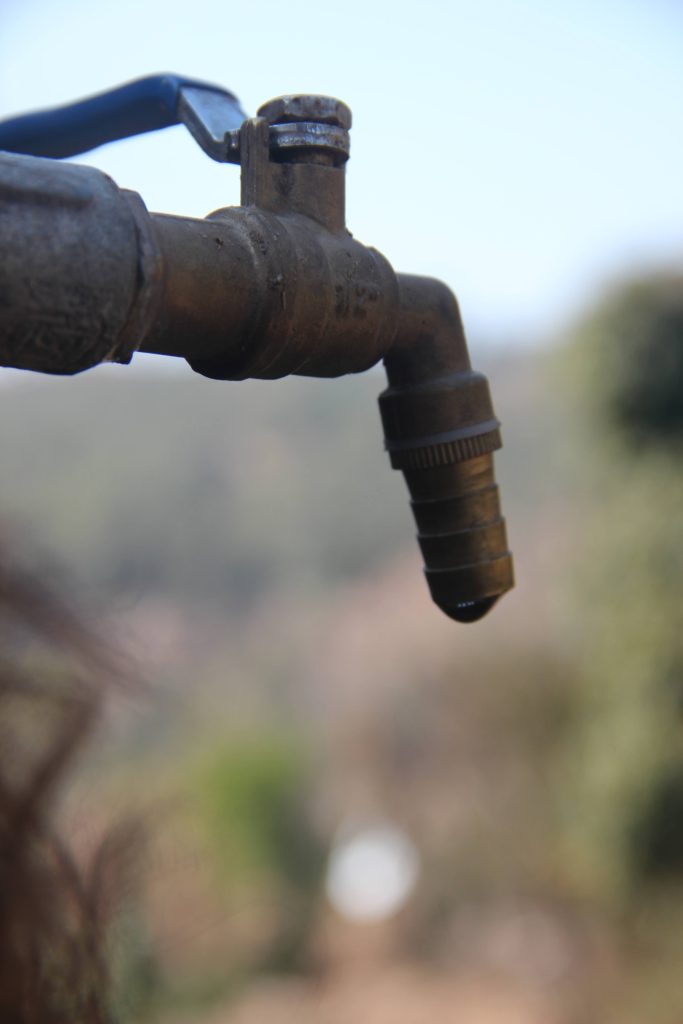
Then he spoke slowly, but clearly, “You know, five years ago, the naula in the upper hamlet had dried up. The water stopped coming. The women had to fetch it from two kilometers away.”
Ramesh lifted his head.
“No one said anything, no meeting was held. One morning, Haria Kaka simply picked up his hoe and set out. Then, one by one, four people joined, then eight. It took three days, the naula was cleaned, and the water began to flow again.”
Grandfather paused.
“No government came, no funds arrived. Only people did.”
Something stirred within Ramesh. The village that had seemed empty to him was not entirely empty. It just needed someone, someone to pick up the hoe first.
Grandfather looked at him, then said slowly, but with complete clarity, “Light a lamp in the darkness. It makes a difference, whether anyone sees it or not.”
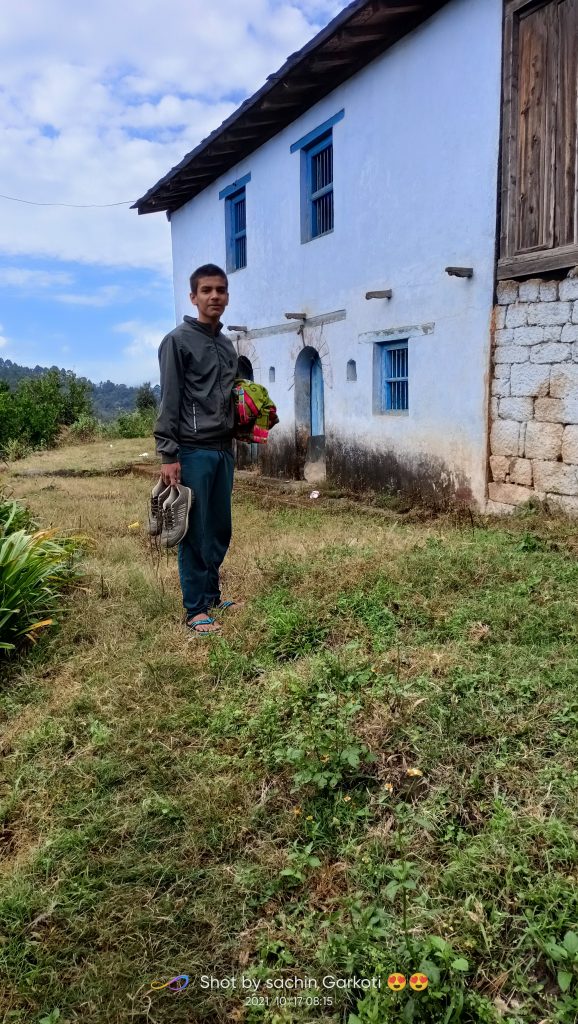
There was an hour left for the bus to arrive.
Ramesh stood in the courtyard. His bag was packed.
His mother was inside.
Grandfather sat on the cot, basking in the sunlight.
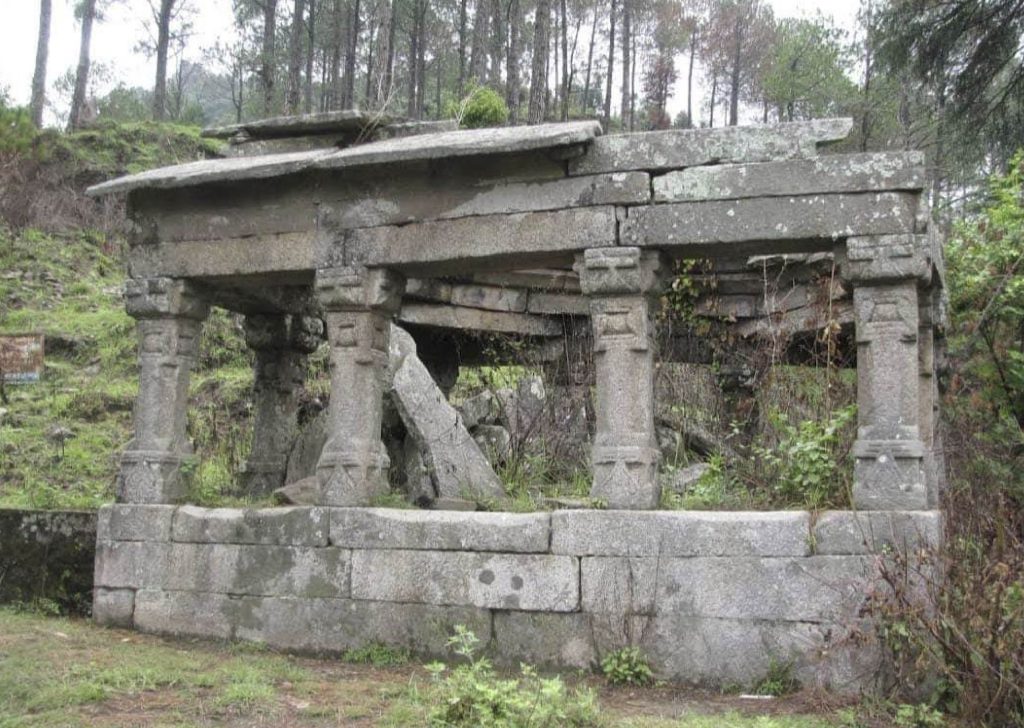
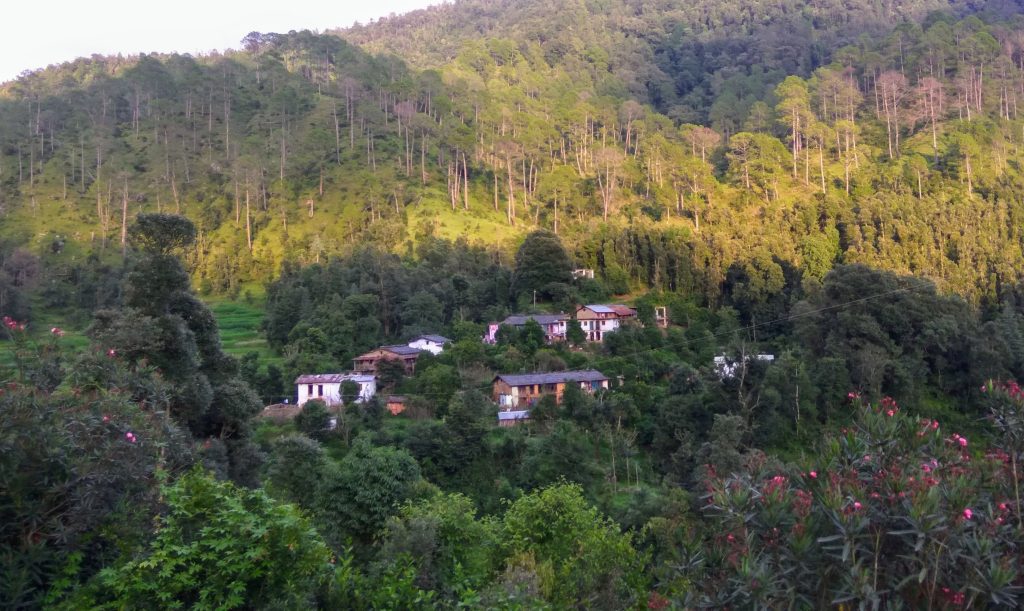
Ramesh looked at the entire village once more… empty houses, broken courtyards, deserted lanes. And among all that, smoke rising from four homes. Fires burning in four homes. Life, still alive in four homes.
He picked up his bag.
And then, he put it back down.
“Dada ji.”
“Yes.”
“I… I’ll stay for another month.”
Grandfather said nothing. He just smiled.
That smile… it held the entire village within it. Garkot still exists. At an altitude of 1,572 meters. With four families. With the sound of the Gothya Gad. With the fragrance of rhododendrons.
There are still two bulbs glowing on the mountains.
But perhaps tomorrow, there will be three.
But the story doesn’t end here…
And this is the question that continues to echo in the air,
Will we return only during festivals, or will we truly come back one day?
Will we search for our villages on Google Maps, or will we place our feet on their soil?
And the biggest question,
the lamps that are about to go out, whose responsibility is it to keep them burning?
Garkot’s story is not just the story of one village. It is the story of those 734 deserted villages of Uttarakhand. It is the story of every person who has left their roots, whether out of compulsion or in search of dreams.
But roots never lie. They always pull you back… home.
Meet the storyteller

Sachin Garkoti
Born in Garkot village in Champawat district of Uttarakhand, Sachin Garkoti is deeply connected to mountain life, nature, and local stories. He currently works as a Digital Manager with Rang Kaarwaan, promoting creativity and reading among children and communities. Through photography, writing, and social research, he engages with issues like climate change, caste and gender discrimination, and substance abuse. Sachin believes that the stories of the mountains can become powerful tools for change. He wants to collect stories of struggle from the villages of Champawat, so that future generations can read them and stay connected to their culture, history, and roots.
उत्तराखंड के चंपावत ज़िले के गड़कोट गाँव में जन्मे सचिन गड़कोटी का पहाड़ी जीवन, प्रकृति और स्थानीय कहानियों से गहरा जुड़ाव है। वर्तमान में वे रंग कारवां के साथ डिजिटल मैनेजर के रूप में काम कर रहे हैं, जहाँ वे बच्चों और समुदायों में रचनात्मकता और पढ़ने की आदत को बढ़ावा देते हैं। फ़ोटोग्राफ़ी, लेखन और सामाजिक शोध के माध्यम से वे जलवायु परिवर्तन, जाति और लिंग आधारित भेदभाव, तथा नशे की समस्या जैसे मुद्दों से जुड़ते हैं। सचिन का मानना है कि पहाड़ों की कहानियाँ बदलाव के सशक्त साधन बन सकती हैं। वे चंपावत के गाँवों से संघर्ष की कहानियाँ एकत्र करना चाहते हैं, ताकि आने वाली पीढ़ियाँ उन्हें पढ़ सकें और अपनी संस्कृति, इतिहास और जड़ों से जुड़ी रहें।


You May Also Like
हम इस मिट्टी के हैं
We Belong to This Soil