A Tale of Nagaland’s Beloved Axone
Returning home to Nagaland after months away, a young woman is drawn back by a familiar scent, one that carries memory, belonging, and something she cannot quite name. In the bustling streets of Dimapur and the quiet glow of a village hearth, an old story begins to stir, of a girl, a hunger, and a discovery born in silence. As past and present blur, what seems like a simple ingredient reveals itself as something far deeper: a keeper of history and identity. But what gives this scent its power, and why does it refuse to be forgotten?
Storyteller : Asenla Imchen
Himal Prakriti Storyteller
Dimapur,
Nagaland
Read this story in Hindi
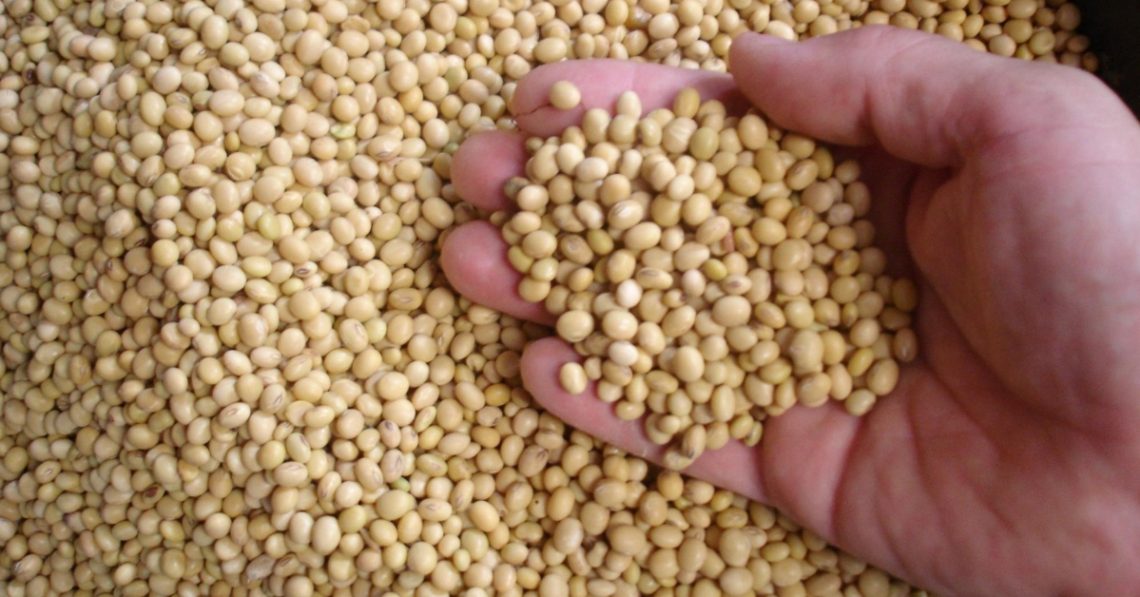
Stepping off the Kamrup Express from Delhi to Dimapur, I was met by the soft hush of fog and the quiet glow of the Naga hills, as if they had been waiting. After eight long months in Delhi, where noise never sleeps and time rushes past in a blur, I was finally home. And with that return came a longing, sharp and unmistakable: Axone. I could almost smell it before I reached my doorstep, that pungent, earthy aroma, bold enough to take over a kitchen, yet carrying within it the weight of memory, heritage, and time. Axone, or Akhuni, is more than just fermented soybean; it is a cornerstone of Naga kitchens, found in many forms, powdered, pressed into cakes, pickled, each one lending its deep, complex flavor to everyday meals.
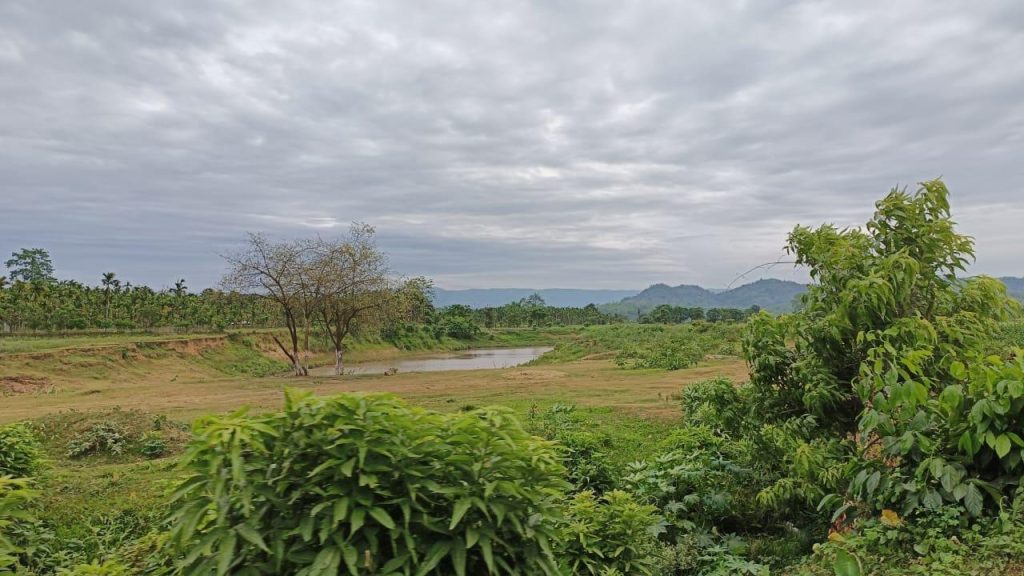
I am Ao Naga, though this beloved ingredient belongs, in its truest sense, to my Sümi friends. In Nagaland, tucked away in India’s northeast, many such stories of food and belonging weave through the lives of its indigenous communities, of the Ao, the Sümi, and others, each holding close what is theirs, yet sharing it generously across hills and homes.
The Ao Nagas belong mostly to the hills of Mokokchung, while the Sümi Nagas trace their roots to Zunheboto, two homelands cradled in the folds of Nagaland, close yet distinct, like siblings shaped by the same ancestry but speaking in different voices. They share a common Naga heritage, yet each carries its own rhythm of life, its own language, its own festivals, its own ways of remembering the world. Even within the Ao community, there are songs, stories, and celebrations that do not echo in Sümi homes, and vice versa, small, beautiful differences that make each identity whole.

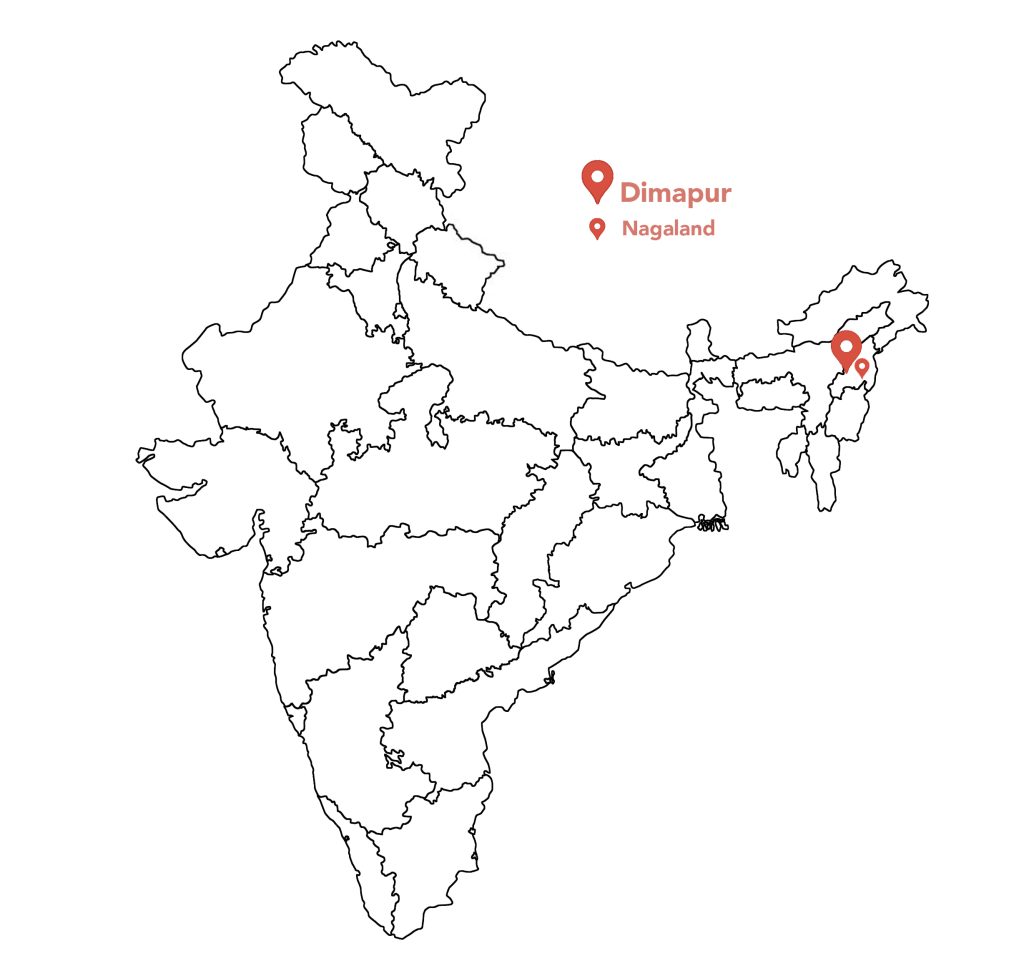
And then there is Dimapur, the meeting ground. Today, it hums as Nagaland’s commercial heart, restless and ever-moving, but beneath its busy streets lies a much older story. Long before the shops and traffic, this land was the capital of the ancient Dimasa Kachari kingdom, a place where time was marked not by clocks, but by stone.
Even now, scattered quietly across the city, stand the monoliths, silent, enduring witnesses of a megalithic past, as though the earth itself chose to remember. The name Dimapur carries its own story, whispered through the Dimasa language: Di meaning water, Ma meaning great, and Pur meaning city, a “city by the great river,” once alive with trade, movement, and exchange. Rivers must have once carried not just goods, but voices, cultures, and histories through its veins. Originally part of Assam, Dimapur was later merged with Nagaland and formed a special “loaned city” within India. Many of my friends are from, or have roots in, Thahekhu Village, located in the Dimapur district of Nagaland, a prominent village inhabited by the Western Sümi Naga tribe.
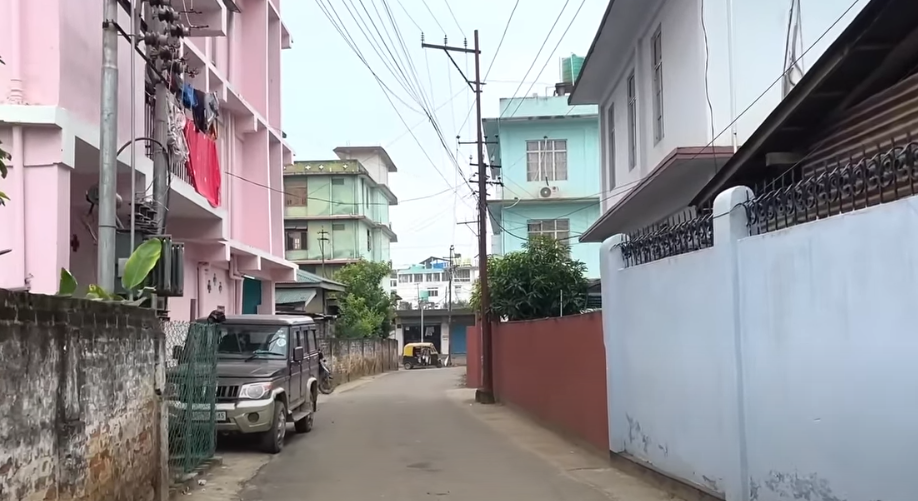
And somewhere within these layers of memory, movement, and belonging, my thoughts kept circling back to something far more immediate, far more intimate. The craving pulled at me, filling my senses, the thought of the smoky flavor, the tang that hits the back of your tongue, the rich depth of umami that you feel with each bite.
“Hey, is there any Axone left for me?” I called out to my friends who had come to pick me up, half-joking, though I had been counting the days for this moment. They laughed and shook their heads, playfully accusing me of being an ‘adopted Sümi’ because of my obsession. But that’s the thing about Axone, it transcends tribal lines, binding us all with its unforgettable smell and taste.
As I set foot back home in Nagaland, ready to indulge in this cultural treasure, the old tale of its origins filled my mind, the story of Kujunakali, an orphaned girl whose resilience and cleverness brought Axone to life.

Kujunakali was a young girl who had already known more hardship than most. I first heard her story from my grandmother, who would tell it to me each night, her voice soft and steady as she tucked me into bed. “There was once a little girl, orphaned too soon,” she would begin, her fingers gently brushing through my hair. “Her uncle took her in, but his wife… she was not kind. They made her work from sunrise to sunset, her little hands rough before they had even learned to hold love.”
As her words unfolded, Kujunakali came alive in my imagination. I could see her, small and silent, walking barefoot through the fields, the earth clinging to her feet. The sun hung heavy above her as she bent over the crops, her back aching, her childhood slipping quietly into the soil beneath her.

Her aunt wasn’t cruel in any obvious way, but in small, quiet, cutting acts. She was stingy with food, giving Kujunakali just enough to scrape by. Most days, her meals were little more than half-cooked soybeans mixed with vegetables too far gone to sell. On these meagre scraps, she worked from dawn to dusk, her strength thinning with each passing hour.
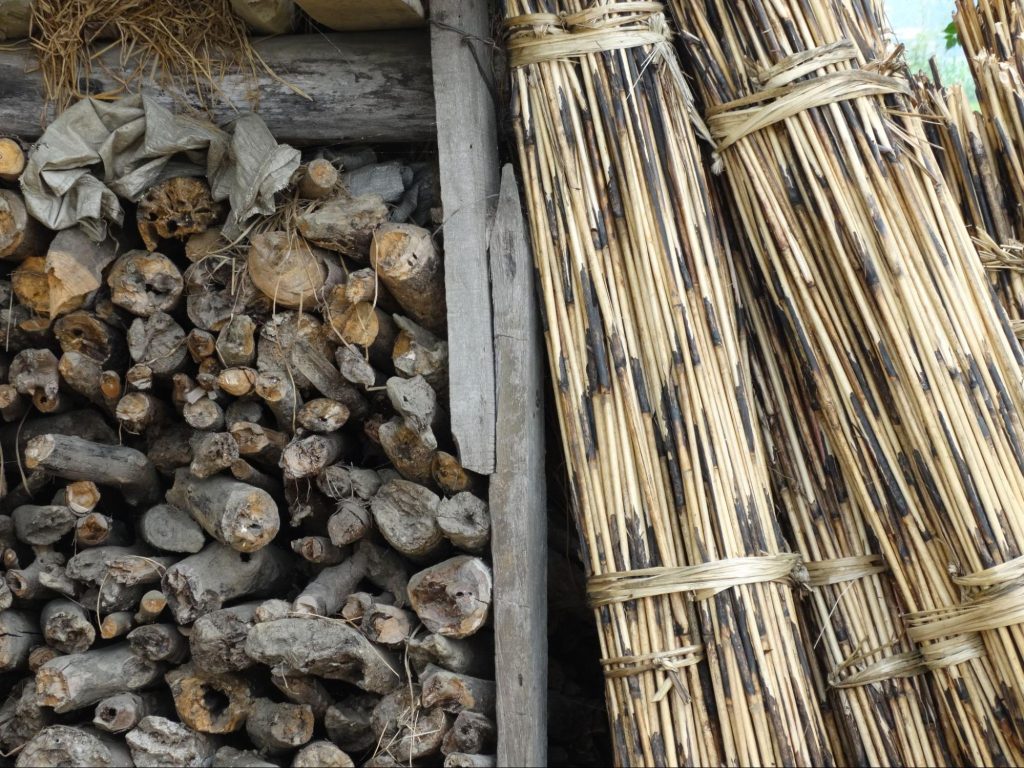
One day, a sharp pang of hunger rose within her, pulling her thoughts toward the handful of soybeans she had hidden weeks ago in the haystack shed. It had been a small act of quiet rebellion, a secret she kept for herself, a fragile sense of security tucked away from watchful eyes. She hadn’t expected much from it, but desperation has a way of urging even the smallest hopes forward. And so, under the cover of darkness, her heart pounding in her chest, Kujunakali slipped into the shed to retrieve her hidden meal.
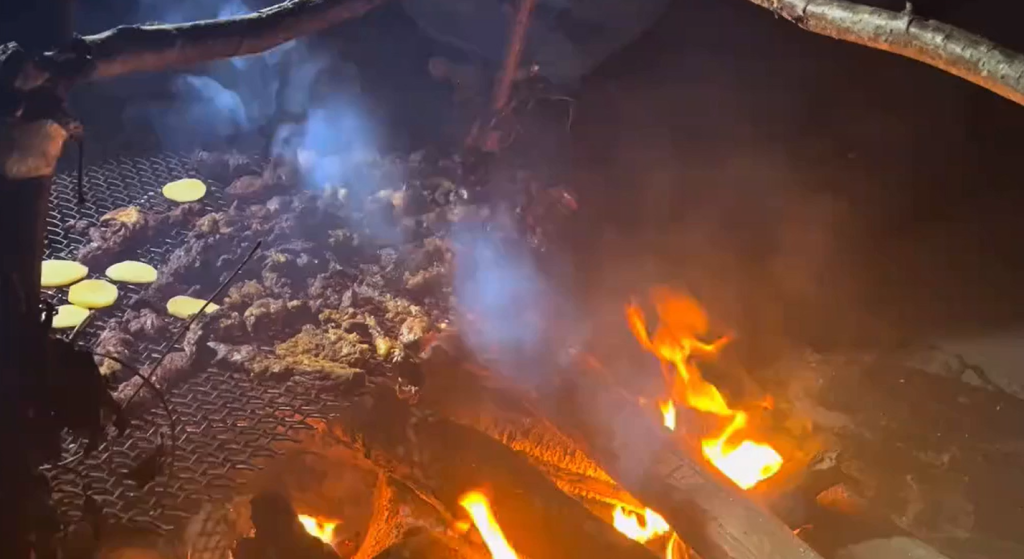
What she found was both a surprise and a discovery. The beans, hidden away in the shed for weeks, had changed. The half-cooked, bitter taste had disappeared, replaced by something tangy and meaty that lingered warmly on the tongue. It was earthy and deep, unlike anything she had ever known. Tender, yet strangely filling, with a rich, intense aroma that clung to each bite. She ate slowly, savoring it, as though it were a feast laid out just for her.
It was in that quiet shed, with those transformed soybeans, that Axone was born.
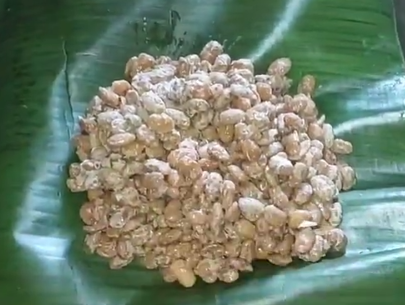
As I walk through the village market, the air thick with the scent of smoked pork and beef, and the fragrance of freshly made Nakupi alu, prepared from taro leaves (Colocasia esculenta), I feel Kujunakali’s story all around me. Her discovery didn’t just change her life; it changed ours. Soon after that first meal, Kujunakali began to experiment. She noticed that the soybeans transformed even further when left out to dry in the sun. She shared her discovery with a few friends, who, like her, were astonished by the taste.

Photo: David Eickhof | Flickr
The village elders, particularly the Sümis, quickly took note. They named her discovery “Axone,” a word that speaks of a deep, lingering smell, a strong aroma that stays with you. In time, Axone became more than just a meal; it turned into a ritual, a process, a quiet marker of culture carried from one generation to the next.
I still vividly remember my uncle saying, “Every family has their own style. Some prefer it stronger, some milder. But one thing remains the same, no gathering, no feast, no winter meal is ever complete without it.”
In today’s time, my friends and I sit around a fire pit, much like our ancestors once did. It is simple, just a ring of burnt stones, shaped by years of practice, set outside beneath the vast night sky. We gather close, perched on low wooden stools or folded into haunch-squats, just as generations before us have done. Sometimes we stretch our hands forward, palms open to the fire; sometimes we lean back, letting its warmth slowly seep into our bones.

Smoke rises in slow, curling wisps, carrying with it the sweet, loamy scent of burning wood, usually dried oak (Quercus) or bamboo (Bambusoideae), each crackling and crunching as it catches flame. Here, both are chosen with care. Oak, a hardwood, burns slowly, holding heat and leaving behind steady, glowing embers. Bamboo, hollow within, catches fire quickly and burns bright, making it ideal for kindling and for keeping the fire alive long into the night. Since I have mentioned this, then it is only right now to talk about how Axone is prepared.
The journey begins with soybeans, gathered from the hills around the region. They belong here, thriving in Nagaland’s wet, sloping landscapes, and have long been an essential source of protein in a diet where meat was once scarce. The beans are first washed with care, rinsed free of dirt and anything that does not belong. Then they are left to soak, slowly drinking in water, softening as they prepare for what comes next. This quiet step is important, it awakens them, allowing hydration to begin so they cook evenly. Once ready, the soybeans are set to boil. There is a balance to be held here: they must soften, but not too much. If they turn mushy, the entire process falters. As they simmer, something else happens too, boiling gently cleanses them, reducing unwanted bacteria, while still leaving room for the good microbes that will later bring them to life through fermentation.
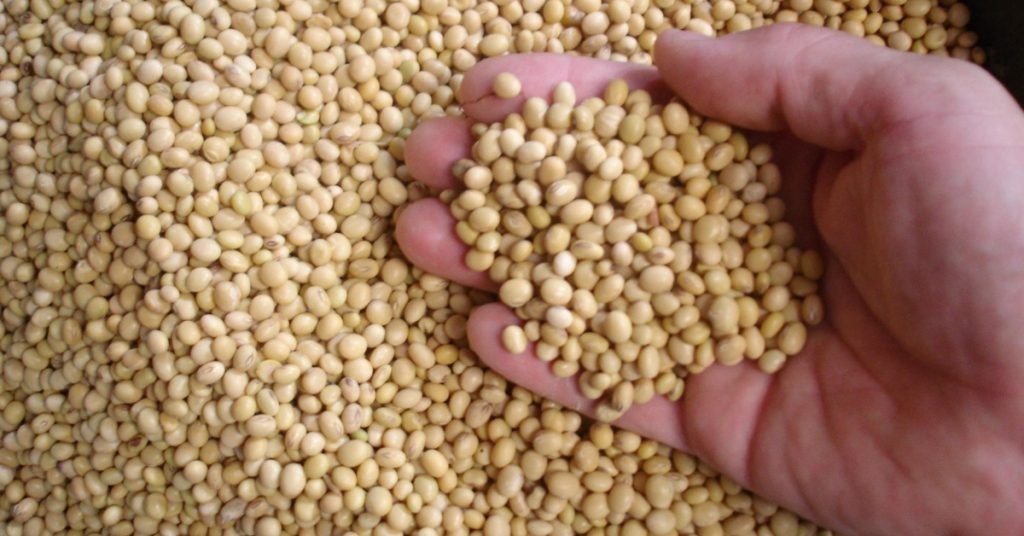
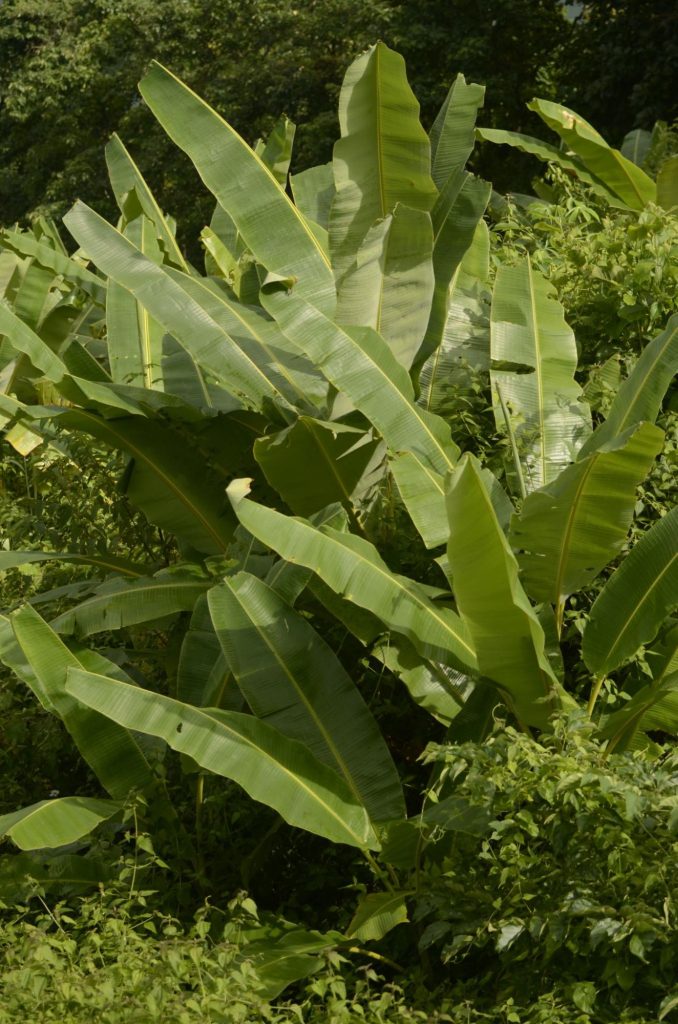
Once boiled, the soybeans are carefully drained. Any excess water must be removed, for too much moisture can weaken the fermentation that follows. The beans are left just damp enough, holding on to a quiet warmth, but never submerged. Traditionally, these drained soybeans are then transferred into bamboo baskets, known as Khopi in Angami. The baskets are gently lined with banana leaves, and sometimes with other locally gathered leaves such as Phrynium pubinerve or Macaranga indica. These leaves do more than simply hold the beans, they cradle them. They help retain just the right amount of moisture, lend a faint, earthy flavor, and act as a natural barrier, protecting the beans from contamination.
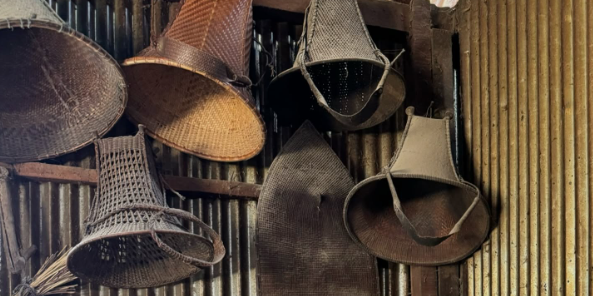
Once prepared, the basket is set aside in a warm, humid corner, often beside the steady glow of a kitchen hearth or over low, lingering heat. There, in that quiet pocket of warmth, the real transformation begins. The heat and humidity come together to create the perfect conditions, allowing the beans to slowly ferment, to change, and to become something entirely new.
Fermentation takes about three to four days in the scorching summer and up to a week in cold weather. It depends upon the aroma; Axone is done when it “smells right,” a typical, pungent aroma that is strong and inviting. This “scent” results from proteolysis, in which enzymes hydrolyze the proteins within the soybeans into amino acids, creating a full umami flavor. When fermentation has proceeded as far as one wants, the soybeans are not pureed at all but are roughly crushed with a wooden pestle and mortar. This is an important step since it gives the beans a texture close to crushed garlic. The partial mashing serves the purpose of mixing the flavor but maintaining the unique bean flavor.

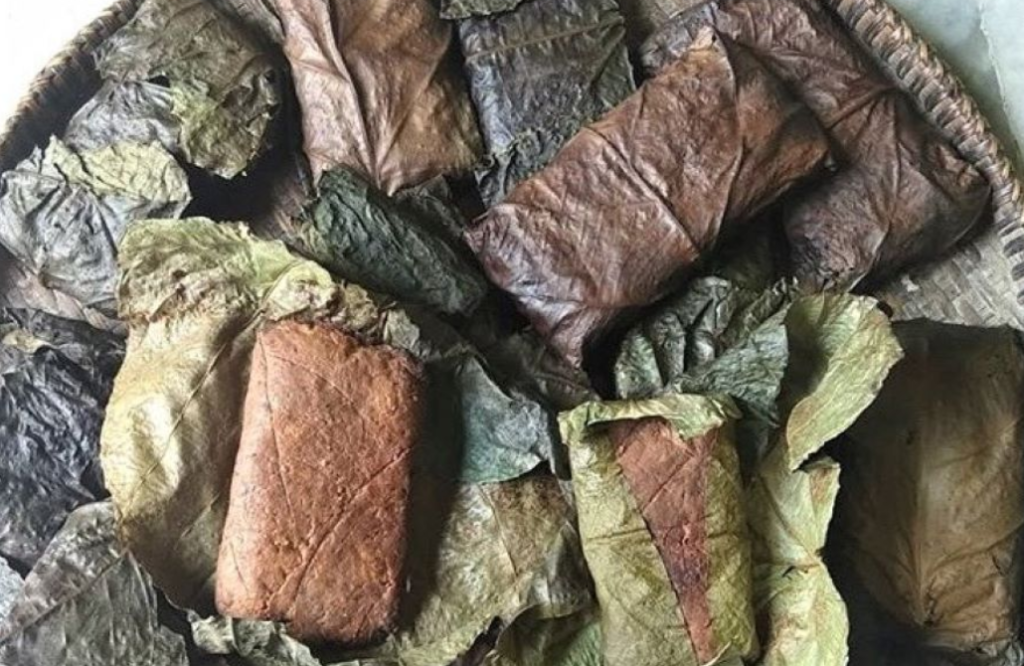
The scoop of pounded fermented soybean paste is then grasped in the hand and put on top of a banana leaf. The leaf is folded over or wrapped around the paste into a nice little bundle. In some other traditions, the bundles are shaped into flat cakes. This wrapping not only stores and transports the Axone but also gives it a slightly leafy flavor. Most families, in their homes, suspend the leaf-wrapped cakes close to the fireplace for a light smoking. Dry oak or bamboo wood is most typically employed for this intention. The smoke gives a second flavor and serves as a preservative by dehydrating the food further. Smoking can take a couple of days, during which the Axone darkens in color and becomes stronger in flavor.
Once prepared, Axone can be used immediately or stored for later use. Traditionally, it is kept near the fireplace, either in its cake form or as individual beans that have been sun-dried, to prolong its shelf life. In urban settings, modern packaging methods have been adopted, with Axone being sold in plastic packets or airtight containers. However, many believe that these modern methods lack the depth of flavor that comes from the traditional process.
Now, Axone comes pre-cooked, sealed in plastic or wrapped in brown paper packets, its potent scent locked away until the moment we tear it open. It is easy, effortless even, but something feels missing. The rhythm of drying, roasting, and waiting has been replaced by quick purchases and ready-to-use packets. Perhaps it is the unrelenting pace of city living, or maybe it is just simpler to let someone else do it. But with convenience comes a quiet loss, a fading connection to tradition, a loosening of the thread that once tied us to the past.
However, Axone is just one aspect of it all, it’s the scent that is a reminder of where I come from, but home is more than just taste, it is in the stories passed down, in the hands that prepare the food, in the way we gather and share. As long as these things remain, I know that a part of me will always belong here.
Meet the storyteller

Asenla Imchen
Asenla Imchen is a 20-year-old Computer Science and Mathematics student from Nagaland. She aspires to work in the financial sector someday, but is equally grateful for every step along the way. After solving algorithms or working through proofs, you can find her reading a novel, playing badminton, or stepping out for some fresh air with friends. Asenla also volunteers as a student mentor for learners across Northeast India, doing her best to give back what she has learned and to inspire others on their own journeys. She is also the creator of PhoenixCode, a platform that leverages AI to convert flowcharts into code.
असेंला इमचेन नागालैंड की 20 वर्षीय कंप्यूटर साइंस और गणित की छात्रा हैं। वह भविष्य में वित्तीय क्षेत्र में काम करने की आकांक्षा रखती हैं, लेकिन इस यात्रा के हर कदम के लिए समान रूप से आभारी भी हैं। एल्गोरिदम हल करने या गणितीय प्रमाणों पर काम करने के बाद, उन्हें उपन्यास पढ़ते, बैडमिंटन खेलते या दोस्तों के साथ थोड़ी ताज़ी हवा के लिए बाहर निकलते हुए पाया जा सकता है। असेंला पूर्वोत्तर भारत के विद्यार्थियों के लिए एक छात्र मेंटर के रूप में भी स्वयंसेवा करती हैं, जहाँ वह अपनी सीखी हुई बातों को साझा करने और दूसरों को उनकी अपनी यात्राओं पर प्रेरित करने का प्रयास करती हैं। वह PhoenixCode की निर्माता भी हैं, जो एक ऐसा प्लेटफ़ॉर्म है जो फ्लोचार्ट को कोड में बदलने के लिए AI का उपयोग करता है।

Voices of Rural India
Voices of Rural India is a not-for-profit digital initiative that took birth during the pandemic lockdown of 2020 to host curated stories by rural storytellers, in their own voices. With nearly 80 stories from 11 states of India, this platform facilitates storytellers to leverage digital technology and relate their stories through the written word, photo and video stories.
ग्रामीण भारत की आवाज़ें एक नॉट-फ़ॉर-प्रॉफ़िट डिजिटल प्लैटफ़ॉर्म है जो 2020 के महामारी लॉकडाउन के दौरान शुरू हुई थी, जिसका उद्देश्य ग्रामीण कहानीकारों द्वारा उनकी अपनी आवाज़ में कहानियों को प्रस्तुत करना है। भारत के 11 राज्यों की लगभग 80 कहानियों के साथ, यह मंच कहानीकारों को डिजिटल तकनीक का प्रयोग कर और लिखित शब्द, फ़ोटो और वीडियो कहानियों के माध्यम से अपनी कहानियाँ बताने में सक्रीय रूप से सहयोग देता है।

You May Also Like

संग्राम के स्वर- उत्तराखंड के वन पंचायत

जीवन में कोई भी राह कब सीधी होती है?